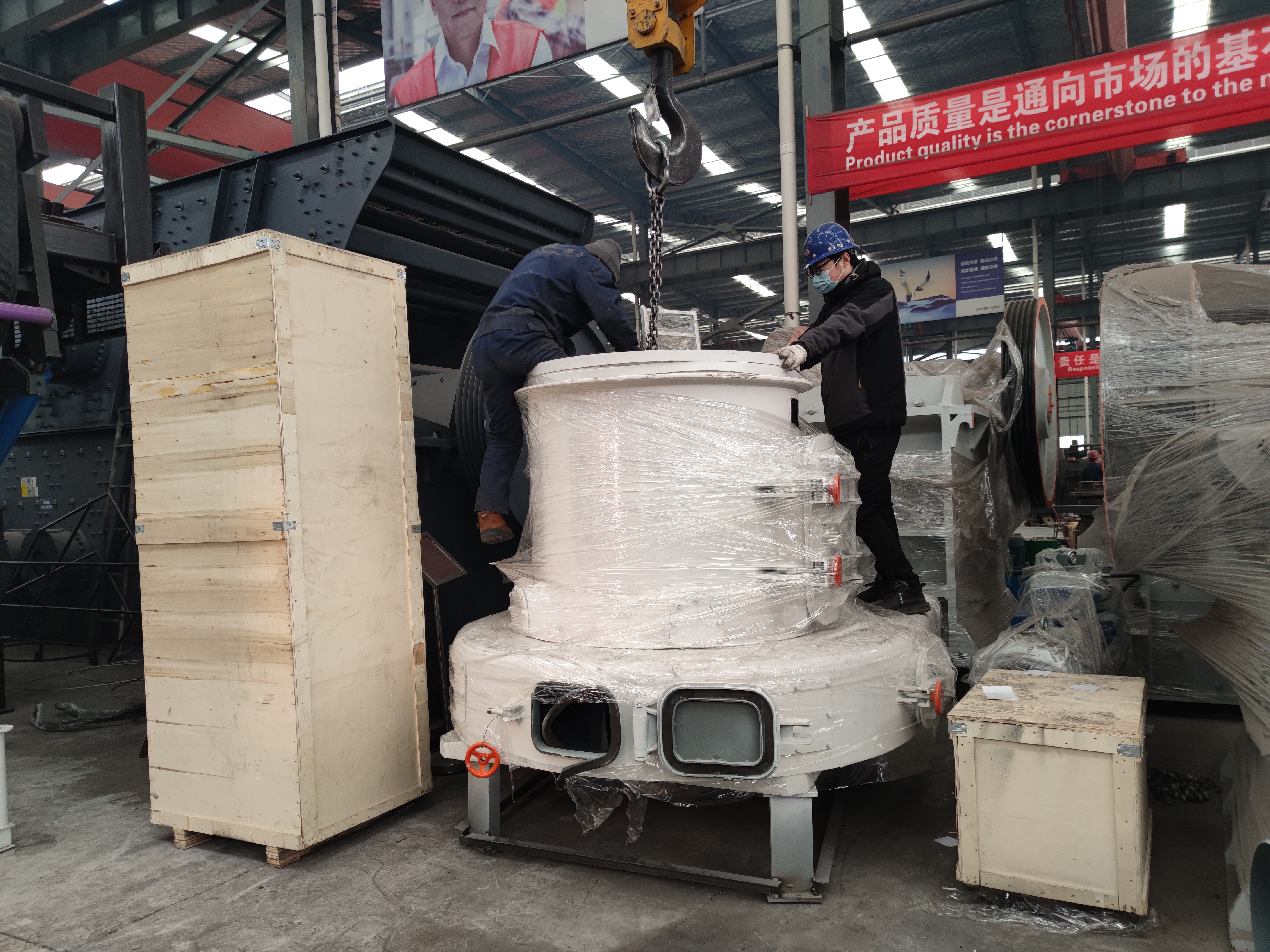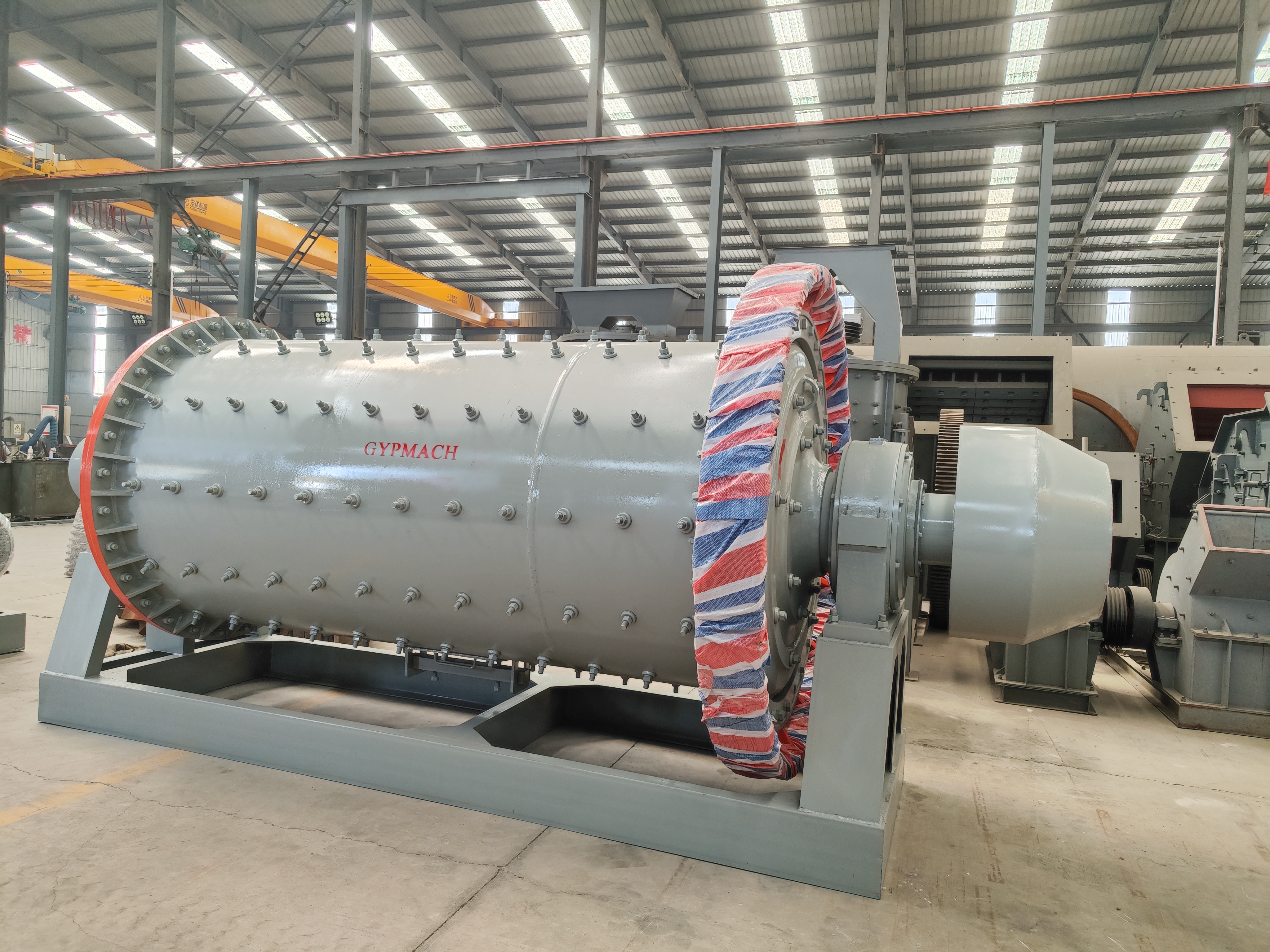

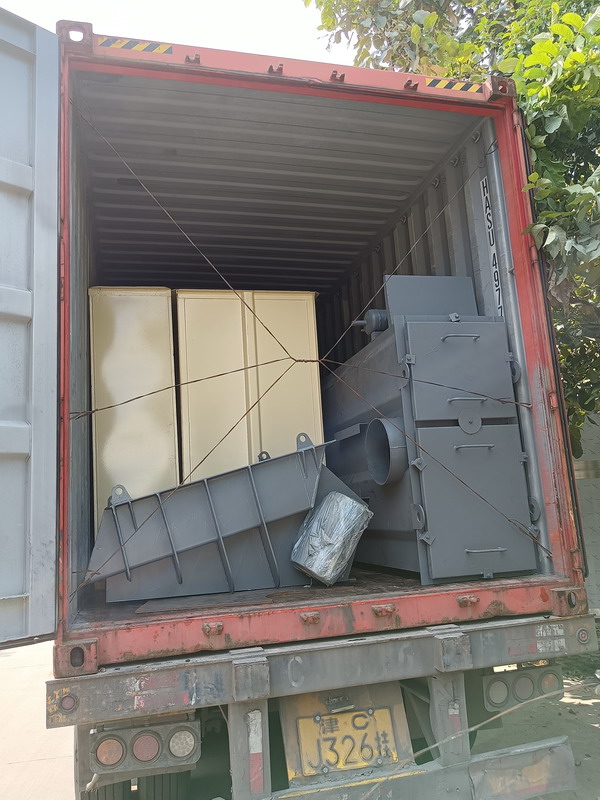
A gypsum powder production line is a series of integrated equipment designed to process raw gypsum ore (natural, desulfurization, or phosphor gypsum) into calcined gypsum powder, the primary component in building materials like plaster and wallboard.
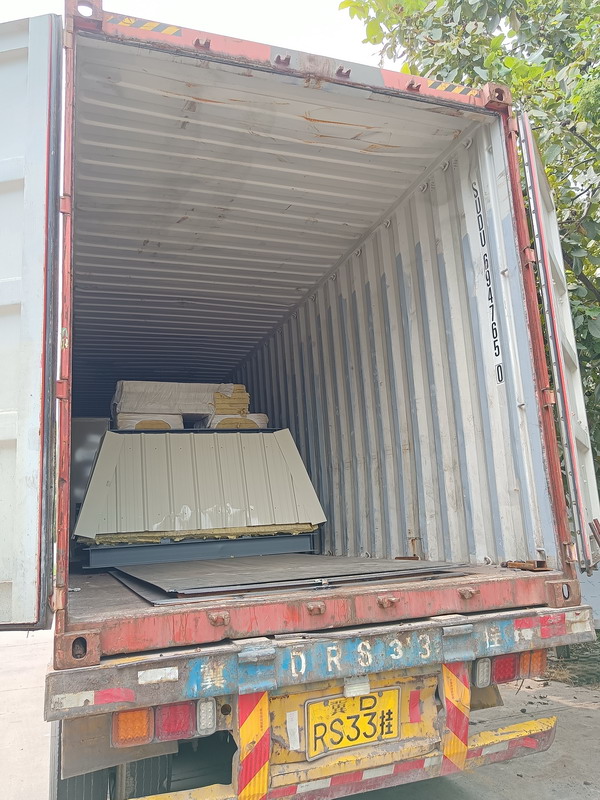
The production process generally involves the following key stages:
Production Process
Crushing and Screening: Large gypsum rocks are first crushed into smaller particles (typically under 25 mm) using a crusher. The material is then screened to ensure a uniform size for the next steps.
Grinding: The crushed gypsum is transferred to a grinding mill (e.g., Raymond mill, ball mill) where it is pulverized into a fine powder (typically 80-120 mesh). An air classifier may be used to sort the powder, returning oversized particles to the mill for further grinding.
Calcination: This is the most critical stage. The fine powder is heated in a calciner (such as an ebullition furnace or rotary kiln) to temperatures between approximately 150°C and 180°C. This process removes about three-quarters of the water content from the dihydrate gypsum (CaSO4⋅2H2O), converting it into semi-hydrated gypsum (CaSO4⋅1/2H2O)commonly known as plaster of Paris.
Cooling and Aging: The hot calcined gypsum is cooled to room temperature to stabilize its properties. An aging period ensures the powder attains the desired consistency and performance for its intended application.
Storage and Packaging: The final, high-quality gypsum powder is stored in silos and then automatically packaged into bags or bulk containers, ready for transport.
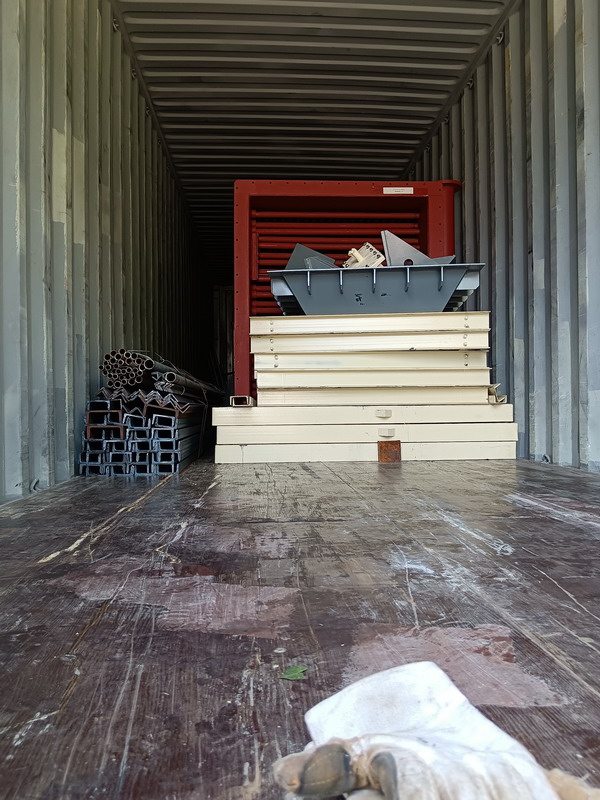
Key Equipment Components
A typical production line is composed of several pieces of machinery and supporting systems:
Crusher: For initial raw material size reduction.
Conveying System: Elevators, belt conveyors, and screw conveyors move materials between stages.
Storage Silos: For holding raw materials and finished products.
Grinding Mill: Pulverizes the gypsum into a fine powder.
Classifier/Analyzer: Sorts the ground powder by fineness.
Calcination System: Heats the powder to the necessary temperature for dehydration.
Heat Supply System: Provides the necessary heat for calcination (can use natural gas, diesel, coal, etc.).
Dust Collection System: High-efficiency dust removal mechanisms (e.g., bag filters, electrostatic precipitators) are integral for environmental control and safety.
Automatic Control System: A PLC or DCS control system manages the entire process for efficiency and safety.
Packaging Machine: For final product preparation.
Applications:
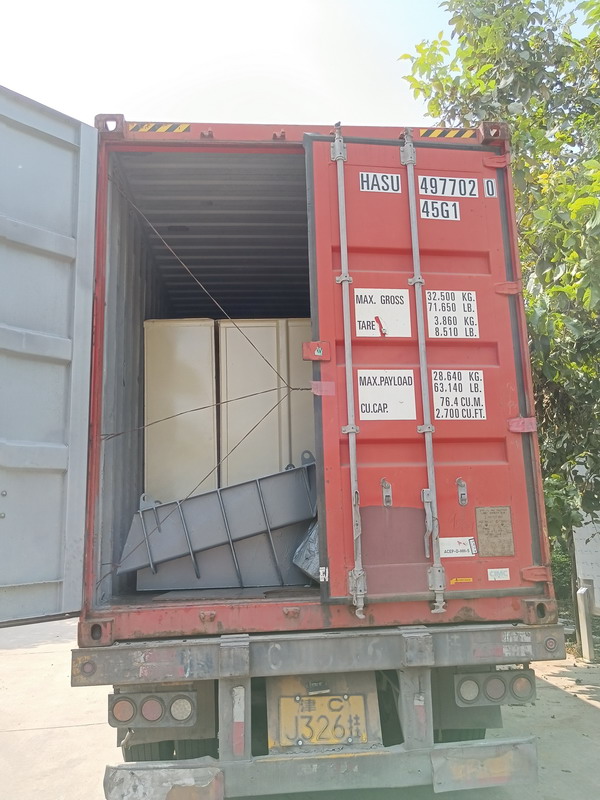
The produced gypsum powder is a versatile material used across various industries, including:
Construction: For wallboard (drywall) production, plaster, and cement.
Agriculture: As a soil conditioner and fertilizer.
Industrial: For molds and models.
Medicine and Food Processing: In some specialized applications